

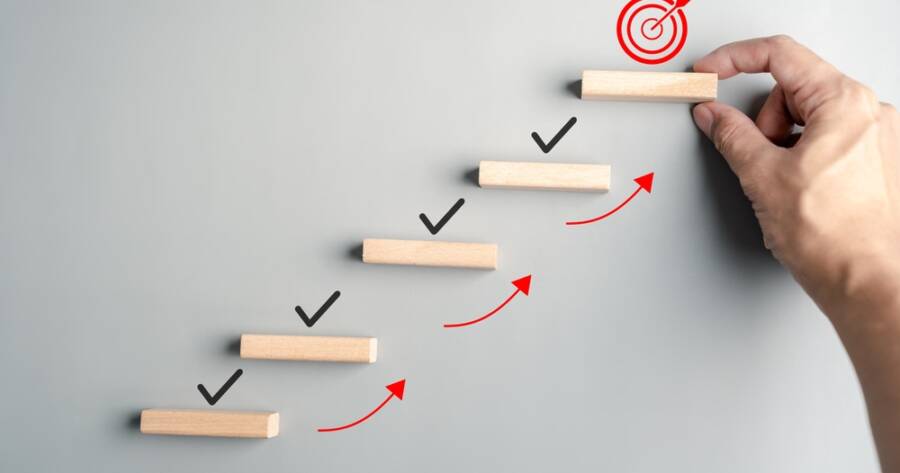
Building good habits is often easier said than done. Many people start strong with new routines, only to lose momentum after a few weeks. One reason is that habits take time to feel natural. A personal reward system can help bridge that gap. By pairing consistent effort with meaningful rewards, you can create positive reinforcement that makes habits more likely to stick over the long term.
Why Rewards Help Habits Stick
Habits form through repetition, but motivation often fades before routines become automatic. Rewards provide a sense of progress and satisfaction that keeps you moving forward. When your brain links a behavior with something positive, it is more likely to repeat that behavior.
This does not mean every action needs a large reward. In fact, small, consistent rewards are often more effective. The key is to make the connection clear: when I complete this habit, I experience something positive. Over time, the habit itself may become rewarding, but early reinforcement makes the process smoother.
Rewards also help reduce the feeling of sacrifice. Instead of focusing on what you are giving up, you focus on what you gain.
Step 1: Choose Clear and Specific Habits
Before creating a reward system, define the habit you want to build. Be specific. Instead of saying, “I want to exercise more,” say, “I will walk for 20 minutes three times a week.” Clear habits are easier to track and reward.
Make sure the habit is realistic for your current schedule. If it feels too large, you may skip it and miss the reward. Start small if needed. Consistency matters more than intensity.
Write the habit down and decide how you will measure success. This could be a simple checklist, a calendar mark, or a tracking app. Clear measurement makes the reward system fair and motivating.
Step 2: Match Rewards to the Effort
Rewards should match the level of effort. For small daily habits, choose small rewards. This might include 15 minutes of guilt-free leisure time, watching a favorite show, or enjoying a special cup of coffee. For larger milestones, such as completing 30 days of consistency, consider a bigger reward like a new book, a day trip, or a personal treat.
Avoid rewards that undo your progress. For example, if your habit is to eat healthier, using junk food as a reward may conflict with your goal. Choose rewards that support your overall well-being.
It can help to create a reward menu in advance. Write down simple rewards for weekly and monthly milestones. Having them ready prevents last-minute decisions that may not align with your goals.
Step 3: Use Immediate and Delayed Rewards
Immediate rewards strengthen habits quickly. After completing your task, take a moment to celebrate. This could be as simple as saying, “Well done,” or checking off a box on your tracker. That small sense of completion matters.
Delayed rewards add extra motivation. For example, you might save a larger reward for completing a full month of consistent action. This builds anticipation and gives you something to work toward.
Combining both types creates balance. You feel daily satisfaction while also building excitement for longer-term success.
Step 4: Review and Adjust Your System
A reward system should evolve as your habits grow. After a few weeks, review your progress. Is the reward still motivating? Does the habit feel easier than before?
As habits become automatic, you may not need as many external rewards. The sense of achievement and improved results may be enough. At that point, you can shift focus to new habits or adjust your reward schedule.
If motivation drops, adjust the system. Try a new type of reward or change the milestone. Flexibility keeps the system effective without adding pressure.
Avoiding Common Pitfalls
One common mistake is making the reward too far away. If you promise yourself a reward only after six months of effort, it may feel distant and less motivating. Break large goals into smaller checkpoints.
Another mistake is tying rewards to perfection. Missing one day should not cancel your entire plan. Allow room for small setbacks and focus on overall consistency. Habits grow through repeated effort, not flawless performance.
Keep the system simple. Overcomplicating rewards can turn them into extra work instead of motivation.
Reinforcing Success One Step at a Time
A personal reward system is a powerful tool for building lasting habits. By choosing clear behaviors, matching rewards to effort, and celebrating progress along the way, you create positive reinforcement that strengthens consistency.
Over time, small rewards build confidence and momentum. With thoughtful planning and steady adjustment, your habits can move from short-term effort to long-term success, supported by a system that encourages you every step of the way.