

Long hours at desks, time spent driving, and daily stress can leave many people in the United States feeling tight and sore. Muscle tension often builds slowly and becomes part of normal life. A foam roller is a simple tool that can help release that tension. With a few focused routines, you can ease stiffness, improve movement, and support recovery at home. The key is learning how to use the roller safely and consistently.
Why Foam Rolling Helps Relieve Tension
Foam rolling is a form of self-myofascial release. This means you use your body weight to apply gentle pressure to tight areas. The pressure helps loosen stiff muscles and improve blood flow. When muscles receive better circulation, they often feel warmer and more flexible.
Many people use foam rolling before or after workouts, but it can also help with everyday tightness. Sitting for long periods can tighten the hips and back. Stress can cause shoulders and neck muscles to tighten. A short foam rolling routine can help reset these areas and reduce discomfort.
It is important to move slowly and avoid rolling directly on joints or bones. Focus on soft tissue, and stop if you feel sharp pain.
Routine 1: Lower Back and Glutes Reset
Lower back tension is common, especially for people who sit most of the day. While you should avoid rolling directly on the spine, you can target the muscles around it.
Start by sitting on the foam roller with your feet flat on the floor. Gently lean back so the roller rests under your upper hips. Use your hands on the floor behind you for support. Slowly roll forward and back over your glutes, pausing on tight spots for a few seconds.
To target one side at a time, cross one ankle over the opposite knee and lean slightly toward the bent leg. Roll slowly and breathe deeply. This routine can reduce pressure in the lower back by relaxing the surrounding muscles.
Routine 2: Upper Back and Shoulder Release
Tension in the upper back and shoulders often comes from working at a computer or looking down at a phone. This routine focuses on the muscles between the shoulder blades.
Lie on your back with the foam roller placed horizontally under your upper back. Bend your knees and place your feet flat on the floor. Support your head with your hands to avoid straining your neck.
Lift your hips slightly and roll slowly from the middle of your back up toward your shoulders. Avoid rolling into your neck. Move gently and pause on areas that feel tight. This movement can help improve posture and reduce stiffness.
Routine 3: Hip Flexor and Thigh Relief
Tight hips and thighs are common in both adults and teens. Sitting shortens the hip flexors and can create discomfort during movement.
To target the front of your thighs, lie face down with the roller under one thigh. Support your upper body on your forearms. Slowly roll from just below your hip to just above your knee. Switch legs after 30 to 60 seconds.
For the outer thigh, lie on your side with the roller under your upper leg. Use your arms and opposite leg for balance. Roll slowly along the side of the thigh, but avoid rolling directly on the knee. This routine may feel intense, so move slowly and breathe steadily.
Routine 4: Calf and Hamstring Loosening
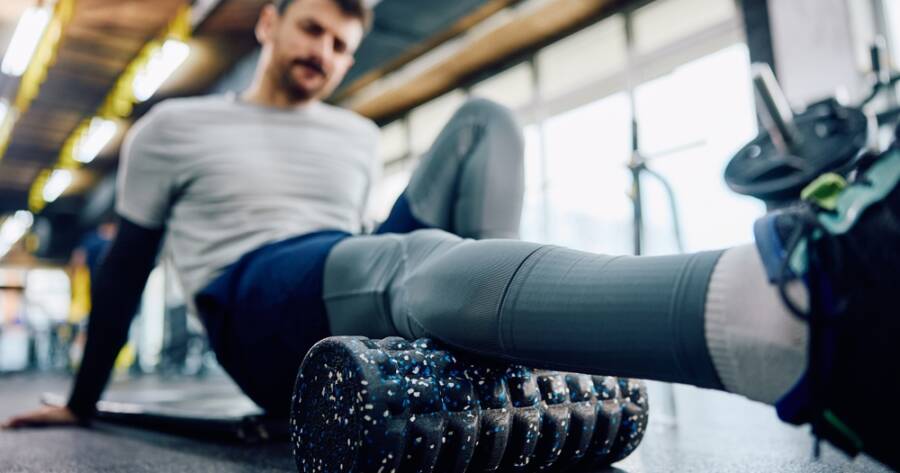
Tight calves and hamstrings can affect walking, running, and even standing posture. To roll your calves, sit on the floor with your legs extended and the roller under your lower legs. Lift your hips slightly and roll from your ankles to just below your knees.
To focus on hamstrings, move the roller higher under the back of your thighs. Roll slowly from just above your knees to the base of your hips. If you want deeper pressure, cross one leg over the other.
These routines can help reduce stiffness after long periods of standing or physical activity.
Tips for Safe and Effective Rolling
Start with short sessions of five to ten minutes. Foam rolling should feel uncomfortable at times, but it should not cause sharp or lasting pain. Move slowly and focus on steady breathing. Drinking water afterward may also help support muscle recovery.
Consistency matters more than intensity. Adding foam rolling to your daily or weekly routine can help keep muscles flexible and reduce buildup of tension.
A Simple Tool for Everyday Relief
Foam rolling offers a practical way to manage everyday muscle tension at home. With focused routines for the back, hips, shoulders, and legs, you can target areas that often become tight from daily life.
By moving slowly and staying consistent, you create a habit that supports better movement and less discomfort. A few minutes with a foam roller can make a noticeable difference in how your body feels each day.