
Remote work offers flexibility, but it also comes with a hidden challenge: long hours of sitting. Many people move less when working from home than they did in an office. Without natural breaks like walking to meetings or stepping out for lunch, it is easy to stay at a desk for hours. By designing a movement-break alarm strategy and setting regular reminders to move, remote workers can protect their focus, posture, and overall health.
Why Remote Workers Sit More Than They Realize
At home, workspaces are often just steps away from the kitchen or bedroom. While this saves commuting time, it also removes built-in movement. In an office, you might walk to a conference room, chat with a coworker, or step outside briefly. At home, meetings happen on screens, and messages replace in-person conversations.
Over time, long periods of sitting can lead to stiff muscles, tight hips, sore backs, and mental fatigue. Even when you feel productive, your body may be under strain. The problem is not remote work itself. The problem is staying still for too long without noticing.
Small, planned breaks can help offset this pattern without disrupting workflow.
What Is a Movement-Break Alarm Strategy?
A movement-break alarm strategy is simple. You set a timer or reminder to go off at regular intervals during your workday. When the alarm sounds, you stand up and move for a short period, usually one to five minutes.
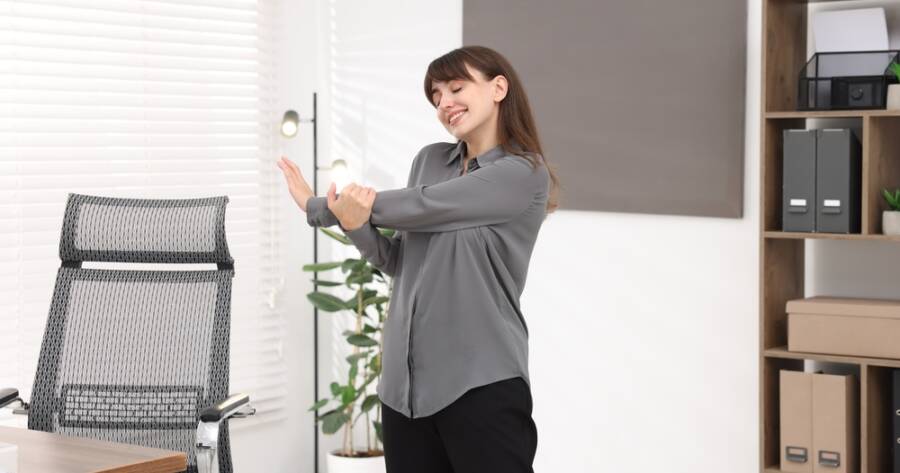
The goal is not a full workout. It is a reset. You might stretch your arms, walk around your home, perform a few bodyweight exercises, or simply change posture. These short breaks interrupt long sitting periods and help your body stay active.
You can use a phone alarm, a smartwatch alert, or a desktop reminder app. The method works because it removes the need to remember. The alarm does the thinking for you.
How Often Should You Set the Alarm?
There is no single rule that fits everyone, but many people find success setting a reminder every 30 to 60 minutes. If you are in long meetings, you might choose to move between calls instead.
Start with a realistic goal. If every 30 minutes feels too frequent, begin with once an hour. Consistency matters more than strict timing. The idea is to avoid sitting for several hours without interruption.
Pay attention to how your body feels. If your back or shoulders tighten quickly, shorter intervals may help. Adjust the timing based on your needs and work style.
Simple Movement Ideas for Short Breaks
When the alarm sounds, keep movements easy and quick. You can stand and stretch your arms overhead, roll your shoulders, or gently twist your torso. Walking to get water or stepping outside for fresh air can also refresh your mind.
If you want slightly more activity, try ten squats, ten push-ups against a wall, or a short plank. These small bursts raise your heart rate and wake up sleepy muscles. The key is to keep the activity short enough that it does not feel overwhelming.
Having a short list of go-to movements makes it easier to act quickly. You avoid wasting time deciding what to do.
Protecting Focus While Taking Breaks
Some remote workers worry that frequent breaks will hurt productivity. In reality, short movement breaks can improve focus. Standing up and moving increases blood flow, which supports mental clarity.
To protect your workflow, use breaks as natural transitions between tasks. When you finish one project or meeting, use that moment for movement. Then return to your desk with renewed attention.
You can also pair the movement alarm with a water break. Staying hydrated supports energy levels and gives you another reason to step away from your screen.
Making the Habit Stick
Like any habit, this strategy works best when it becomes routine. Choose a reminder system you will not ignore. A gentle chime may be better than a loud alarm. If you tend to dismiss notifications, consider placing your phone across the room so you must stand to silence it.
Track your progress for a week. Notice changes in posture, energy, and mood. Even small improvements can motivate you to continue. Over time, you may find yourself moving naturally without waiting for the alarm.
Small Breaks, Lasting Benefits
A movement-break alarm strategy is a simple tool for remote workers who want to stay healthy and focused. By setting regular reminders to stand and move, you protect your body from long stretches of sitting.
These short breaks do not require special equipment or major time commitments. With steady practice, they can reduce tension, improve clarity, and support a more balanced workday from home.