

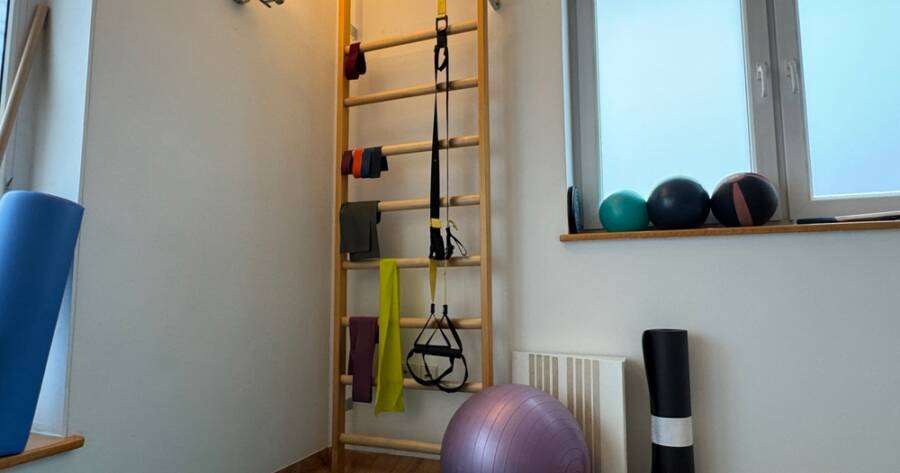
Many people in the United States want to exercise more but struggle to fit gym trips into busy schedules. Long work hours, family duties, and travel time can make it hard to stay consistent. A simple home gym can remove those barriers. Even in a small apartment or spare corner, you can create a space that supports strength, movement, and daily activity. With thoughtful planning and a few versatile tools, small spaces can deliver big results.
Choose the Right Space in Your Home
You do not need an entire room to build a home gym. Start by looking for an open area with enough room to stretch your arms and lie down comfortably. This might be a corner of your bedroom, part of a living room, a basement section, or even a cleared space in a garage.
Good lighting and ventilation make the area more inviting. If possible, choose a spot near a window for natural light. If space is tight, think vertically. Wall-mounted hooks or shelves can hold equipment without taking up floor space.
Clear the area of clutter so it feels intentional. When your workout zone has a clear purpose, you are more likely to use it regularly.
Start with Versatile Equipment
A beginner home gym does not require large machines. Focus on tools that offer many exercise options without using much space. Resistance bands are lightweight and easy to store. They can be used for strength training, stretching, and mobility work.
Dumbbells are another strong choice. A small set allows you to perform exercises such as squats, presses, rows, and lunges. If space is very limited, consider adjustable dumbbells that replace multiple weights in one compact unit.
A sturdy exercise mat adds comfort for floor work like planks, push-ups, and stretching. A jump rope can provide a simple cardio option without taking up storage space. These basics cover strength, balance, and endurance while keeping your setup simple.
Create a Balanced Workout Plan
Having equipment is only the first step. A clear plan keeps your home gym from collecting dust. Aim to include three main types of exercise each week: strength training, cardio, and flexibility work.
Strength sessions can focus on bodyweight moves such as squats, lunges, push-ups, and core exercises. Add dumbbells or resistance bands as you grow stronger. Cardio can include jumping rope, brisk walking, or short high-intensity intervals. Flexibility sessions might involve stretching or gentle yoga.
Keep workouts short and realistic. Even 20 to 30 minutes can be effective when done consistently. Scheduling your workouts on a calendar helps build routine and accountability.
Keep Storage Simple and Organized
In a small space, organization matters. Use storage bins, baskets, or shelves to keep equipment tidy. Wall hooks can hold resistance bands or jump ropes. A small rack can store dumbbells safely.
After each workout, return equipment to its place. This prevents clutter and keeps your living area functional. When your gym setup blends smoothly with the rest of your home, it feels less overwhelming.
If you share the space with others, communicate about workout times and boundaries. Clear expectations help maintain harmony in shared living areas.
Add Motivation and Comfort
A home gym should feel inviting. Simple touches can boost motivation. Consider placing a mirror nearby to check form during exercises. A small speaker can provide music that energizes your workout.
You may also want a water bottle station or towel hook to keep essentials close by. These small details reduce friction and make it easier to begin each session.
Set realistic goals for your fitness journey. Track your progress in a notebook or app. Seeing improvements in strength or endurance can reinforce your commitment to using the space.
Adjust as You Grow
As your fitness level improves, you may want to expand your equipment. Add a kettlebell, stability ball, or heavier resistance bands if space allows. However, avoid buying too much too soon. Focus on mastering basic movements first.
If your schedule changes, adapt your routine rather than abandoning it. Shorter sessions are better than skipping workouts entirely. Flexibility keeps your home gym useful during busy seasons.
Over time, the habit of exercising at home can become part of your daily rhythm.
Small Space, Strong Results
Building a simple home gym in a small space is both practical and achievable. By choosing the right area, investing in versatile equipment, and creating a balanced plan, you can remove many barriers to consistent exercise.
Organization and small motivational touches help maintain the habit over time. With steady effort, even a modest corner of your home can become a powerful space for strength, movement, and improved health.