

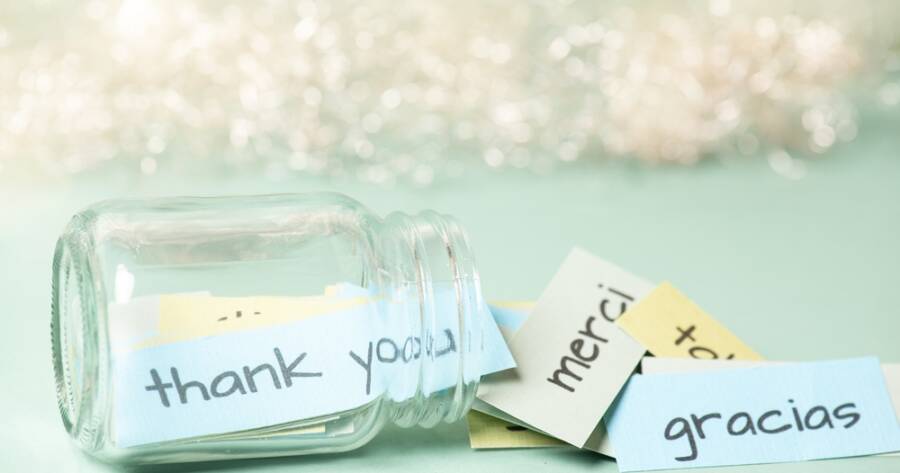
In many homes, days move quickly from one task to the next. School, work, chores, and screens can leave little time for simple reflection. Over time, family members may begin to focus more on problems than on what is going well. A gratitude jar ritual offers a small but steady way to shift that focus. With just a jar, paper, and a few quiet minutes each week, families can build stronger emotional bonds.
What Is a Gratitude Jar Ritual?
A gratitude jar ritual is a simple practice where family members write down things they are thankful for and place the notes in a jar. The jar can sit on a kitchen counter, a shelf, or a dining room table. Anyone in the family can add a note at any time.
Some families choose to read the notes once a week. Others wait until the end of the month or even the end of the year. The timing matters less than the habit. The key is that everyone has a chance to pause and notice good moments.
Gratitude notes do not need to be long or deep. They can be simple: “I liked when we played catch in the yard” or “Thanks for helping me study.” Over time, these small notes tell the story of shared life.
Why Gratitude Strengthens Emotional Bonds
When people feel appreciated, they feel seen. Many family conflicts grow from feeling ignored or misunderstood. A gratitude jar creates regular space to express thanks.
Writing down appreciation also changes attention. Instead of only noticing what went wrong, family members begin to look for what went right. This shift helps lower tension in the home.
Children especially benefit from hearing positive words about their actions. When a child hears, “I am thankful you helped your sister,” it reinforces kindness. At the same time, parents may feel valued when children write, “Thanks for coming to my game.” These small moments of recognition build trust and warmth over time.
How to Start a Gratitude Jar at Home
Starting a gratitude jar is simple. You need a clean jar, slips of paper, and pens or pencils. Some families decorate the jar together, which can make it feel special.
Place the jar in a common area. Keep paper nearby so adding a note feels easy. You might set a gentle goal, such as each person adding at least one note per week. Avoid making it feel forced or like homework.
Choose a regular time to read the notes. Many families enjoy reading them during Sunday dinner or on a holiday. Take turns reading the notes out loud. Keep the mood calm and positive.
If someone feels shy, they can choose not to read their own note. Respecting comfort levels keeps the ritual safe.
Making It Meaningful for Kids and Teens
Younger children may need help thinking of ideas. You can offer prompts such as:
- What made you smile this week?
- Did someone help you?
- What was your favorite moment at home?
Older children and teens may prefer writing longer reflections. Some may choose to keep their notes short and private. Both approaches are fine.
You can also adjust the ritual for different ages. Younger kids might draw pictures instead of writing. Teens may prefer to read notes quietly and discuss one or two aloud. The goal is not perfect writing. The goal is honest reflection.
Keeping the Ritual Consistent
Like any habit, the gratitude jar works best when it becomes part of normal life. If a week is missed, simply continue the next week. Avoid turning the ritual into a strict rule. It may help to tie the jar to another routine, such as family meetings or holiday gatherings. Linking it to an existing habit makes it easier to remember.
Over time, the jar will fill with dozens of small notes. Seeing the growing pile can be encouraging. It serves as a visual reminder that even on hard days, there are still good moments.
Small Notes, Lasting Impact
The gratitude jar ritual is simple, but its impact can be deep. By writing and sharing small moments of thanks, families create space for kindness and reflection. Children learn to notice positive actions, and adults feel valued for their efforts.
Over weeks and months, the jar becomes more than a container of paper. It becomes a record of love, teamwork, and shared life. In a busy world, that steady focus on gratitude can bring families closer together.